Changes to the skin and soft tissue are a major driver of facial aging. Natural aging, sun exposure, your skin care routine, lifestyle habits, and the repeated movements of your face all take a toll on the skin’s surface, while gravity slowly causes the underlying soft tissue to lose volume and descend. These are two separate sets of changes, which is why they call for different treatments. Facial fat transfer is one option that addresses volume loss directly, using your body’s own fat to restore a fuller, more youthful look.
Explore Topics On This Page:
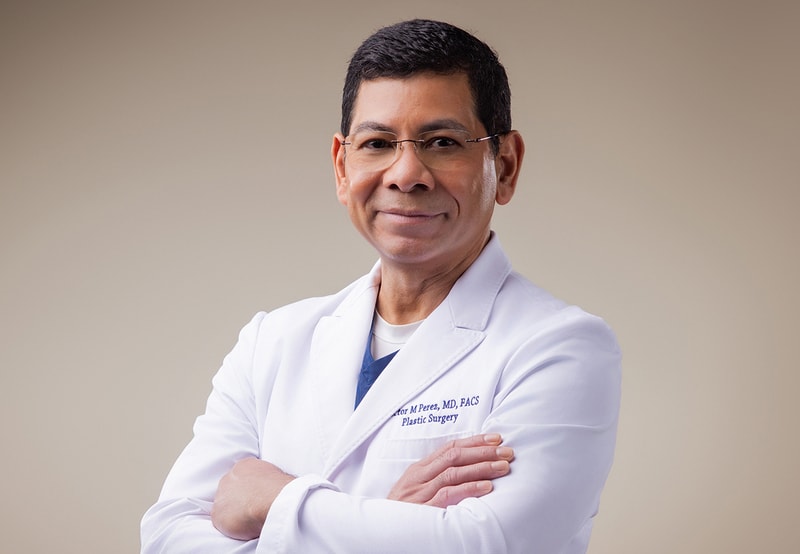
Learn more about our gentle, patient-first approach. To book your consultation, contact us today.
What Is Facial Fat Transfer?
Facial fat transfer, also called autologous fat grafting, is a procedure that restores lost facial volume using the patient’s own fat rather than a synthetic filler. Fat is gently removed from a donor area on the body, processed, and then reinjected into targeted areas of the face to smooth hollows, soften folds, and restore a fuller, more youthful contour. Because the material comes from the patient’s own body, there’s very little risk of an allergic reaction, and results can last far longer than those from hyaluronic acid fillers, such as JUVÉDERM® or Restylane®, which are fully absorbed by the body over time.
Common areas treated with facial fat transfer include:
- Underneath the lower eyelids
- Cheeks
- Eyebrows
- Nasolabial folds
- Lips and jawline
- Facial Fat Transfer
Facial Fat Transfer vs. Dermal Fillers
Both facial fat transfer and dermal fillers like hyaluronic acid can restore lost volume in the face, but they differ in how long results last and where the material comes from. Dermal fillers are synthetic or lab-created substances that the body gradually absorbs, typically requiring touch-up treatments every 6 to 18 months depending on the product. Facial fat transfer uses your own fat, which, once it establishes a blood supply in its new location, can provide results that last for years or even permanently.
Fillers tend to be a better fit for patients who want a quick, low-commitment way to test out added volume, while fat transfer suits patients seeking a longer-term solution and who have enough donor fat available. Dr. Perez can help you weigh these options based on your goals, anatomy, and how permanent you’d like your results to be.
Who Is a Candidate for Facial Fat Transfer?
Good candidates for facial fat transfer are patients who have noticeable hollowing or volume loss in the face, often around the cheeks, temples, or under the eyes, and who want a longer-lasting solution than injectable fillers can offer. Candidates should have enough excess fat in a donor area, commonly the abdomen, to harvest for the procedure. They should also be in good general health, be non-smokers or willing to quit before and after surgery, and have realistic expectations, since not all transferred fat cells survive the process.
Dr. Perez will evaluate your facial anatomy and donor fat supply during your consultation to determine whether fat transfer or another volumizing treatment is the better fit for your goals.
What Does the Facial Fat Transfer Procedure Involve?
Facial fat transfer is performed in our Overland Park office under local anesthesia and oral sedation. Dr. Perez begins by selecting a donor area, most often the upper abdomen, and numbing it with a local tumescent anesthetic. He then harvests fat cells from that area using gentle liposuction, maintaining careful, sterile technique throughout to protect the delicate fat cells.
Once harvested, the fat is processed with specialized instruments to preserve the health of the cells before being loaded into syringes. Dr. Perez then reinjects the fat into the targeted facial areas using a micro-drop technique, layering small amounts of fat to build natural-looking volume and contour.
What Can I Expect in My Facial Fat Transfer Recovery?
Facial fat transfer involves a relatively short and straightforward recovery. Most patients experience moderate swelling that subsides within 5 to 10 days, along with mild bruising, especially those with thinner or lighter skin or a tendency to bruise easily. By 7 to 10 days, most patients are ready to return to work and normal daily activities. Results are visible immediately after the procedure, though the final outcome becomes clearer as residual swelling resolves and the transferred fat settles into its new location.
“Dr. Perez is the best when it comes to plastic surgery. He explains everything in great detail and walks you through the process. The staff is excellent and it’s a pleasure that they respect your time.”
What Risks Are Associated with Facial Fat Transfer?
Because facial fat transfer uses your own fat rather than a synthetic material, there’s very little risk of an allergic reaction. However, not all of the transferred fat cells survive the process, which can make it harder to predict your exact outcome. To help account for this, Dr. Perez may slightly overfill the treatment area. Even so, some patients, particularly older patients and smokers, may retain less of the transferred fat than others.
Facial fat transfer results are also more difficult to reverse than some dermal fillers, which makes it especially important to choose a skilled, board-certified plastic surgeon. Dr. Perez has performed numerous facial fat grafting procedures for satisfied patients and will walk you through your individual risk factors during your consultation.
Is Facial Fat Transfer Painful?
Anesthesia is used throughout facial fat transfer to keep you comfortable, both when fat is harvested from the donor area and when your face is numbed for the injection process. Once the anesthesia wears off, you may experience some soreness at both the donor site and the treated areas of your face for a few days. Most patients manage this discomfort well with over-the-counter pain relief and don’t need prescription pain medication.
How Long Do Facial Fat Transfer Results Last?
Once transferred fat cells establish a blood supply in their new location, they behave like the surrounding facial tissue and can last for years, in many cases permanently. This sets facial fat transfer apart from hyaluronic acid fillers, which are gradually absorbed by the body and require repeat treatments to maintain results. Some patients also report improvements in skin texture over time, which may be related to growth factors carried along with the transferred fat, sometimes referred to as a “stem cell facelift” effect, though this benefit is considered more anecdotal than proven.
Can I Get Facial Fat Transfer Again in the Future?
Yes. Since not all of the transferred fat survives the initial procedure, some patients choose to schedule a follow-up session to enhance their results. It’s also possible to undergo another facial fat transfer years after your first procedure if further volume loss occurs over time. The main requirement is having enough excess fat available in a donor area to use for the additional procedure.
Complementary Procedures to Facial Fat Transfer
Many patients choose to pair facial fat transfer with other facial procedures to achieve more complete rejuvenation in a single recovery period. Complementary options include:
- Facelift & neck lift to address skin laxity and sagging alongside restored volume
- Eyelid surgery to refresh hollow or tired-looking eyes in tandem with under-eye fat grafting
- Buccal fat removal for patients who want more contour in one area of the face while adding volume in another
- Rhinoplasty for patients seeking overall facial harmony alongside volume restoration
During your consultation, Dr. Perez can help you decide whether combining procedures makes sense for your goals, health, and recovery timeline.
Learn if Facial Fat Transfer Is Right for You
Learn more about facial fat transfer in Kansas City, KS and other facial rejuvenation options. Contact us to schedule a confidential consultation with board-certified plastic surgeon Dr. Victor Perez. We happily welcome patients from Kansas City, Overland Park, Olathe, Lee’s Summit, and other nearby communities.
